

What To Do In Kos 2026
Kos is located in the southeastern Aegean Sea, near the Turkish coast. Its strategic position has influenced its diverse cultural heritage, from ancient Greek to Ottoman and Italian periods. The island is roughly 42 km long and 10 km wide, with a varied landscape including fertile plains, hills, and a coastline dotted with sandy beaches and rocky coves.
Galerie (6 images)


What To Do In Kos 2026
Introduction: Kos, a gem in the Dodecanese islands of Greece, offers a unique blend of rich history, stunning beaches, vibrant villages, and cultural experiences. This highly educational guide for 2026 is designed to help travelers plan an insightful and memorable visit by exploring the island’s geography, best times to visit, top attractions, local cuisine, day trips, itineraries, budgeting, and practical travel tips.
1. Understanding Kos: Geography and Orientation
Kos is located in the southeastern Aegean Sea, near the Turkish coast. Its strategic position has influenced its diverse cultural heritage, from ancient Greek to Ottoman and Italian periods. The island is roughly 42 km long and 10 km wide, with a varied landscape including fertile plains, hills, and a coastline dotted with sandy beaches and rocky coves.
The island’s main town, Kos Town, serves as the cultural and transport hub. Other notable areas include Tigaki and Marmari on the north coast, Kardamena on the south coast, Kefalos in the southwest, and the mountainous village of Zia inland.
2. Best Time to Visit Kos in 2026
The ideal time to visit Kos depends on your preferences:
- April to June: Pleasant temperatures, blooming landscapes, fewer tourists, ideal for sightseeing and hiking.
- July to August: Hot and lively with peak tourist activity, perfect for beach lovers and nightlife enthusiasts.
- September to October: Warm sea temperatures, mild weather, and fewer crowds, excellent for a balanced experience.
For a combination of good weather and manageable crowds, early June and mid-September are recommended.
3. Where to Stay: Choosing Your Base
Your choice of accommodation will shape your experience:
- Kos Town: Best for culture, dining, and easy access to transport and archaeological sites.
- Tigaki and Marmari: Ideal for long sandy beaches and a relaxed atmosphere.
- Kardamena: Vibrant nightlife and proximity to southern beaches.
- Kefalos: Scenic coves and quieter beaches, great for nature lovers.
- Zia and inland villages: Perfect for sunset views, traditional tavernas, and a peaceful environment.
For longer stays, consider splitting your time between Kos Town and Kefalos or Tigaki to experience different facets of the island.
4. Getting Around Kos
Transport options include:
- Public buses: Connect major towns and beaches but have limited schedules.
- Car rental: Offers the most flexibility to explore remote beaches and villages.
- Scooters and ATVs: Popular but require caution due to road conditions and traffic.
- Bicycles: Suitable for short distances and coastal areas with bike lanes.
- Taxis: Available but can be costly for long distances.
Planning your routes as loops can save time and maximize sightseeing.
5. Top Things to Do in Kos
5.1 Explore Kos Town’s Historical Sites
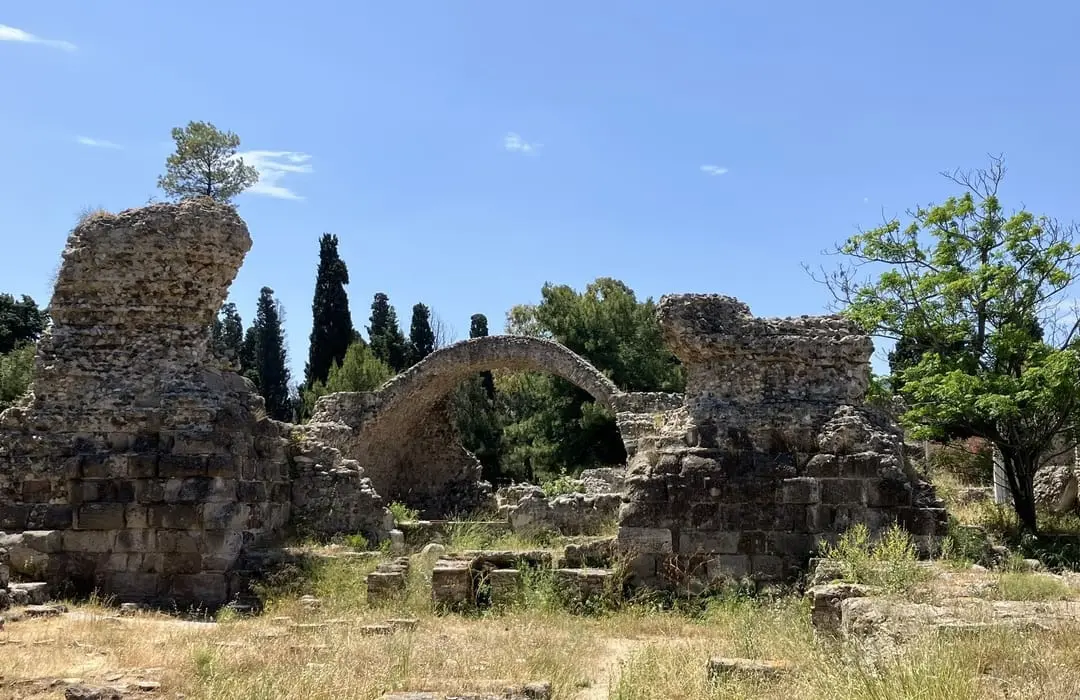
Visit the Castle of the Knights, Ancient Agora, and the Archaeological Museum to understand the island’s layered history from antiquity through medieval times.
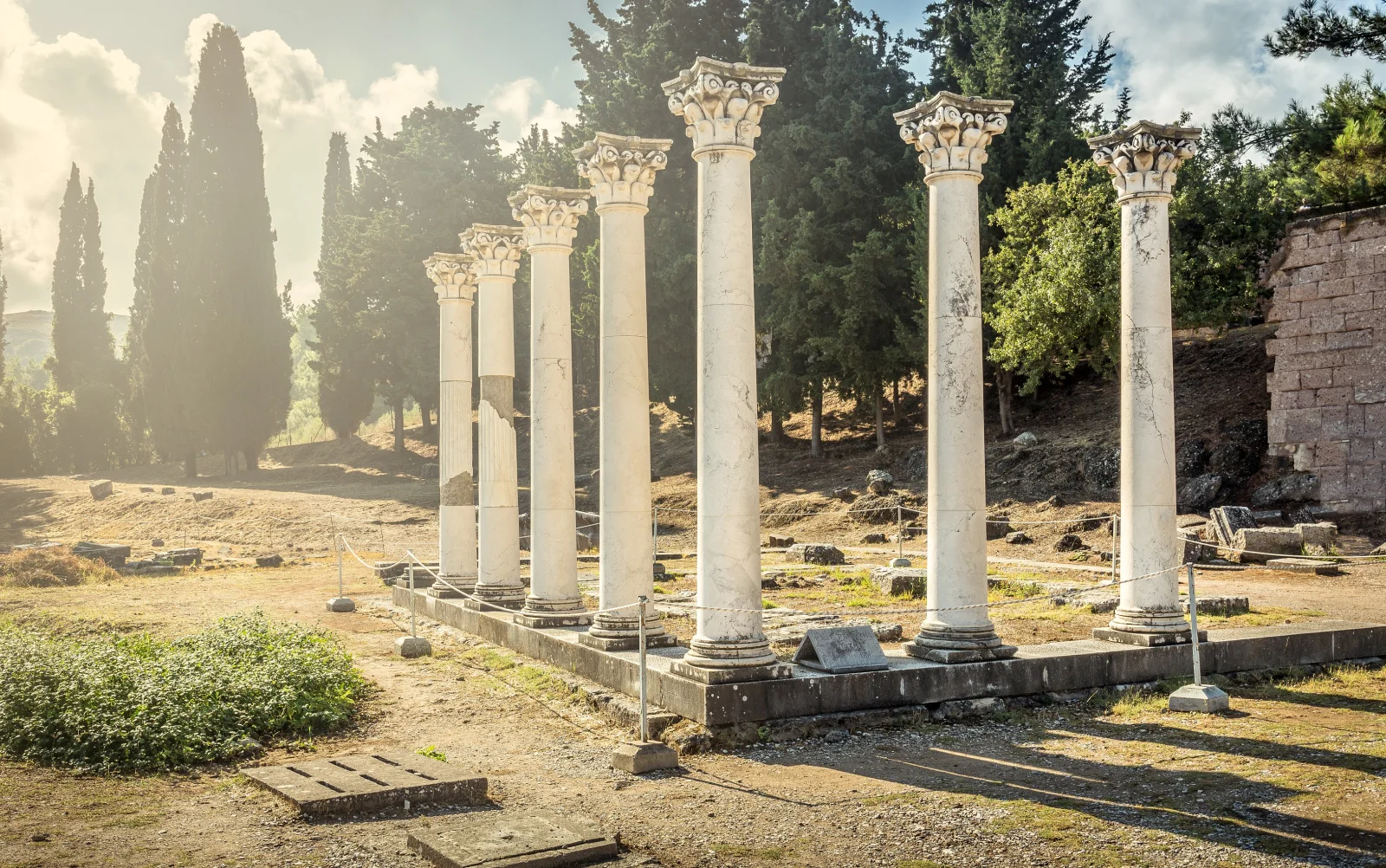
5.2 Visit the Asklepieion
This ancient healing sanctuary is linked to Hippocrates and offers insight into early medical practices and religious rituals. Early morning visits are recommended for comfort and clarity.
5.3 Enjoy the Beaches
Choose beaches based on your preferences:
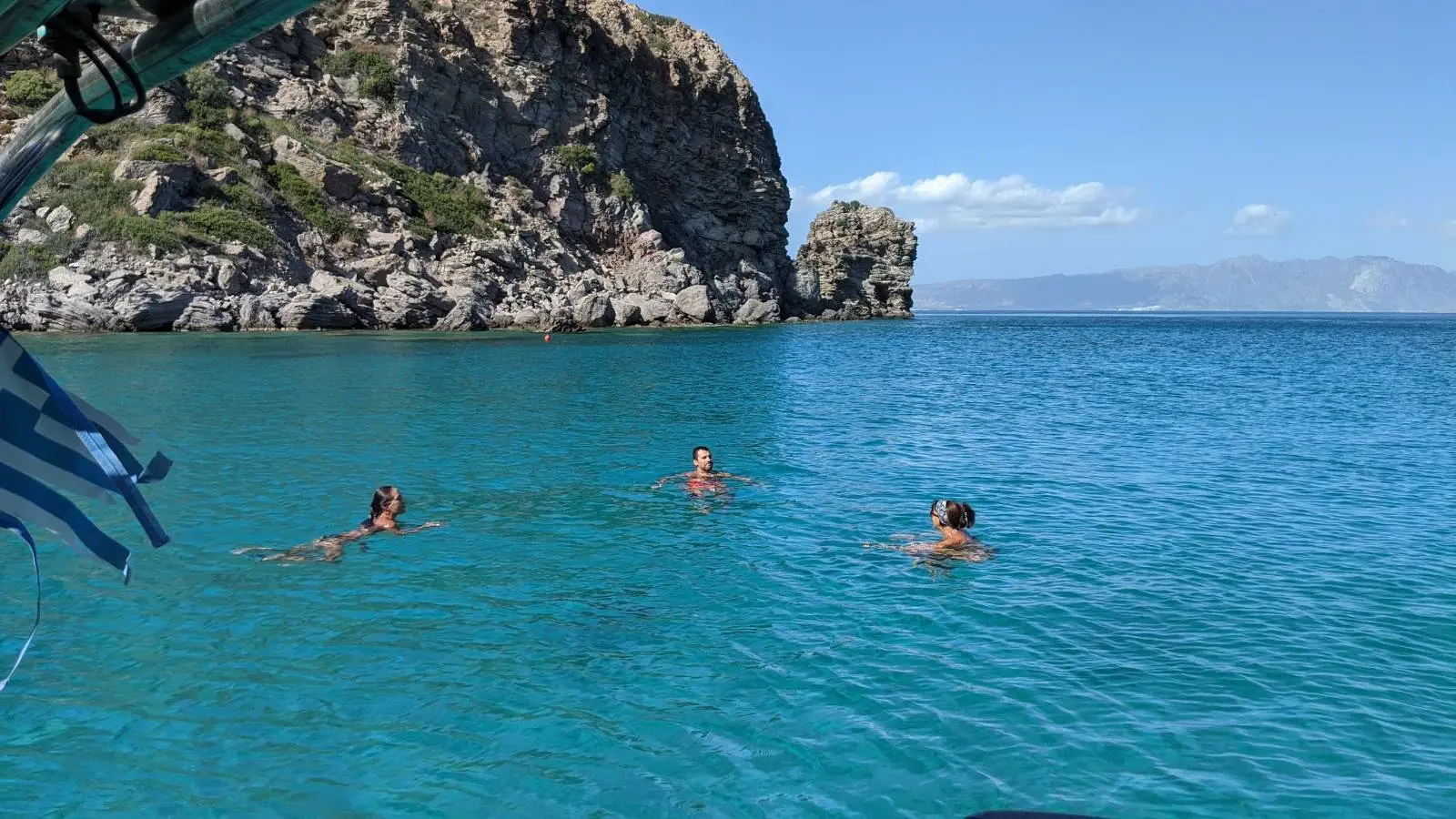
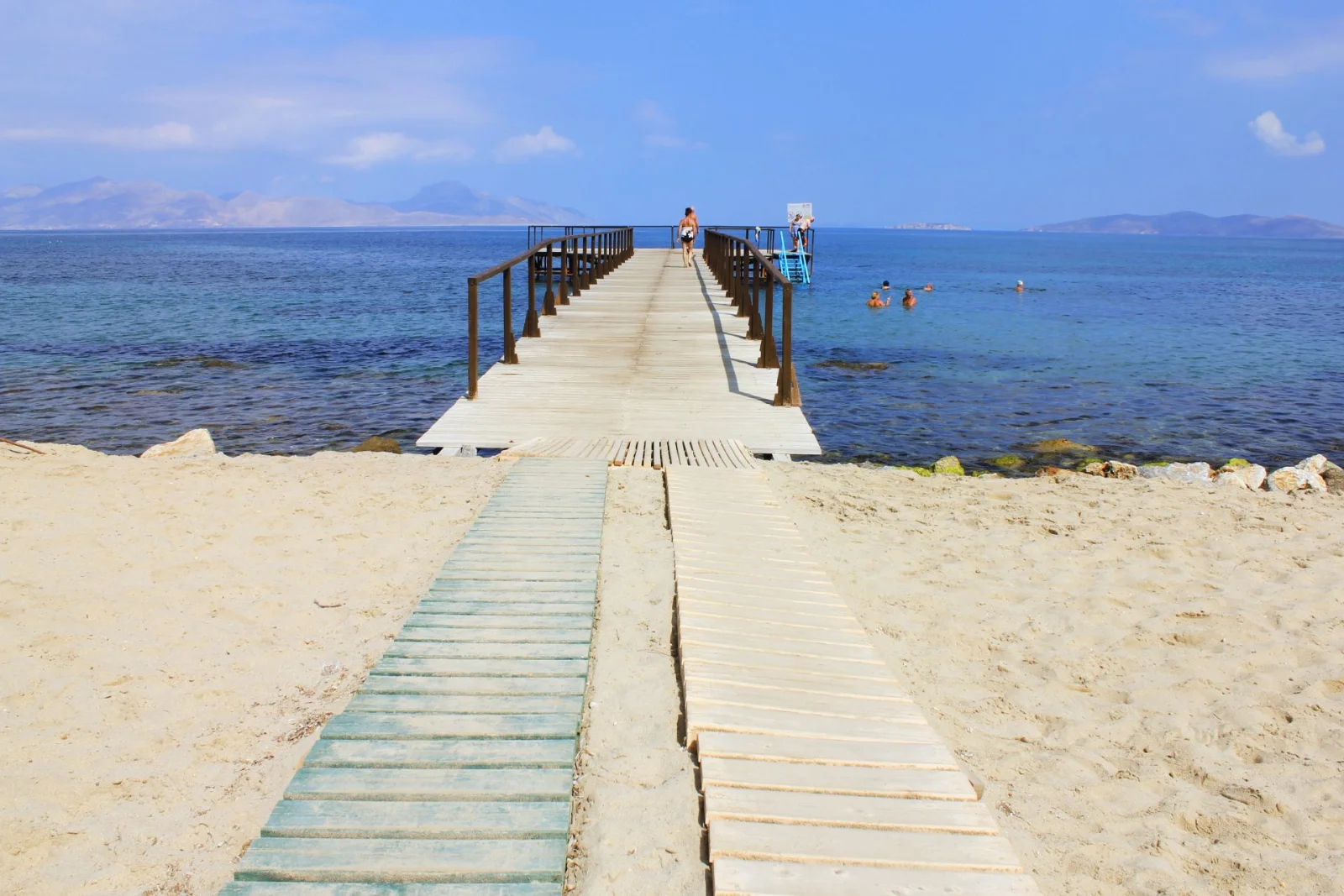
- North coast (Tigaki, Marmari): Long sandy beaches with steady breezes.
- Southwest (Kefalos): Rocky coves and scenic landscapes.
- Near Kardamena: Lively beach scenes with nightlife.
5.4 Sunset in Zia
Zia offers panoramic views and spectacular sunsets. Arrive early to secure a good spot and enjoy a meal at a local taverna afterward.
5.5 Thermal Springs
Experience Kos’s thermal springs for wellness benefits, but follow safety guidelines and bring appropriate footwear.
5.6 Village Life and Local Culture
Spend time in traditional villages to experience authentic Kos culture, local crafts, and seasonal foods.
6. What to Eat and Drink in Kos
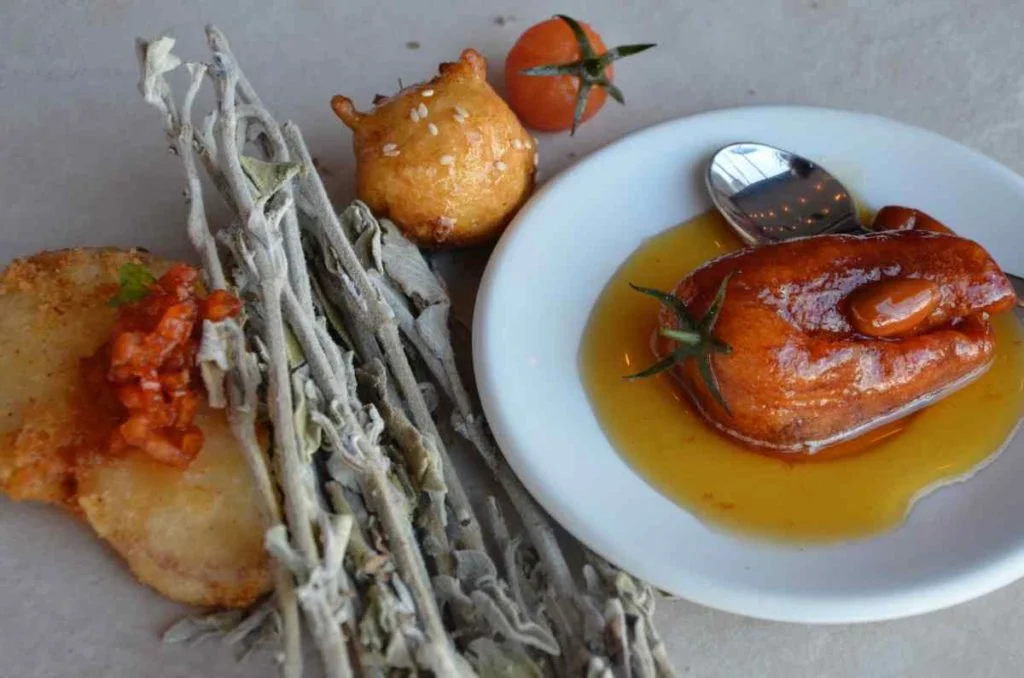
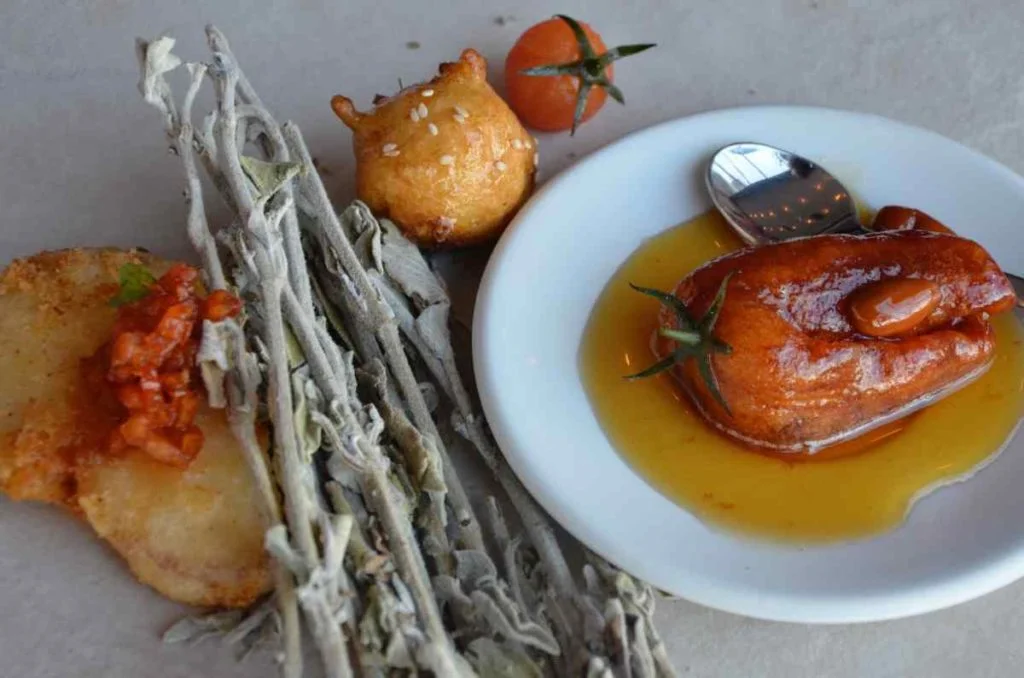
Greek dining culture emphasizes shared plates and fresh, seasonal ingredients. Key points include:
- Order meze (small dishes) to sample a variety of flavors.
- Look for seasonal vegetables and local seafood.
- Try house wines and local spirits like ouzo or tsipouro.
- Ask locals or servers for daily specials and recommendations.
Dining is a leisurely experience; pace yourself and enjoy the social atmosphere.
7. Best Day Trips from Kos
7.1 Nisyros Volcano
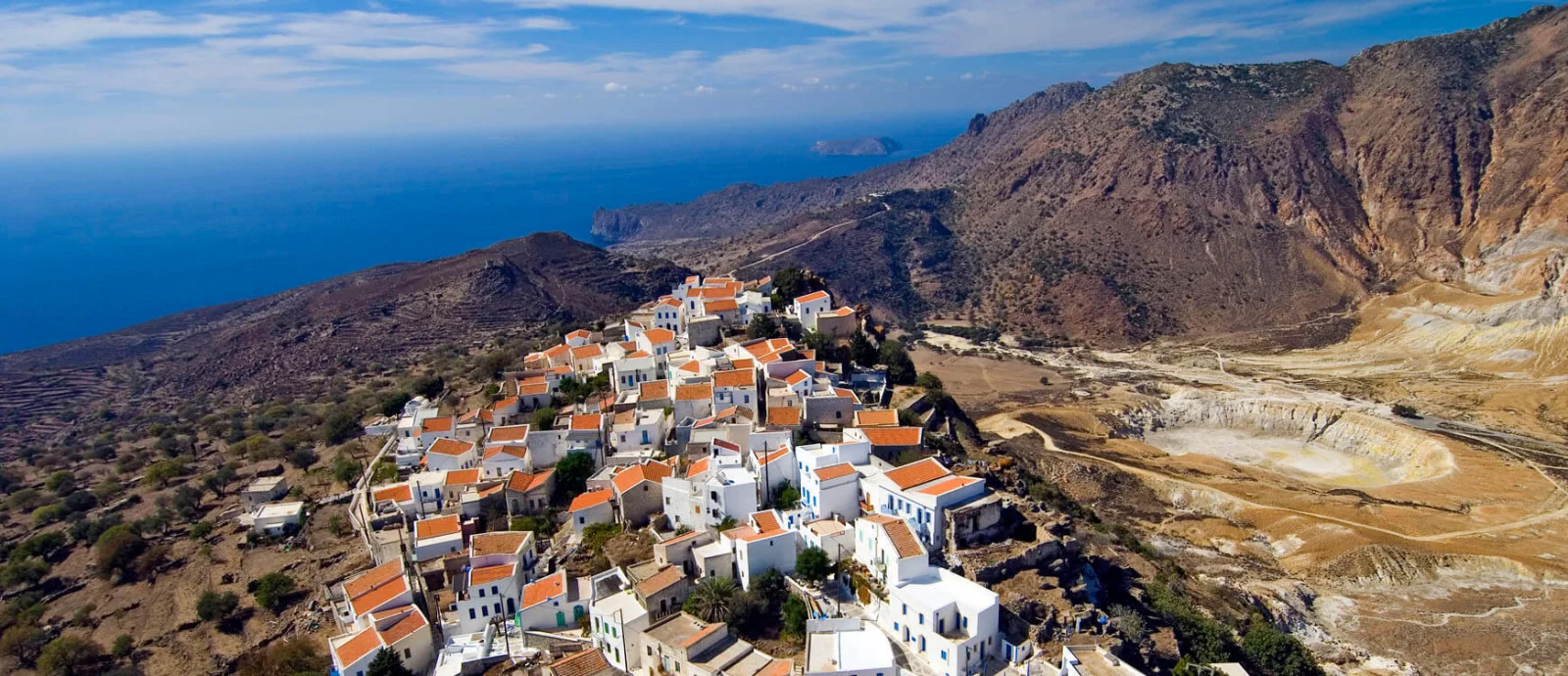
Explore the volcanic caldera and fumaroles of Nisyros for a unique geological experience. Wear sturdy shoes and bring water.
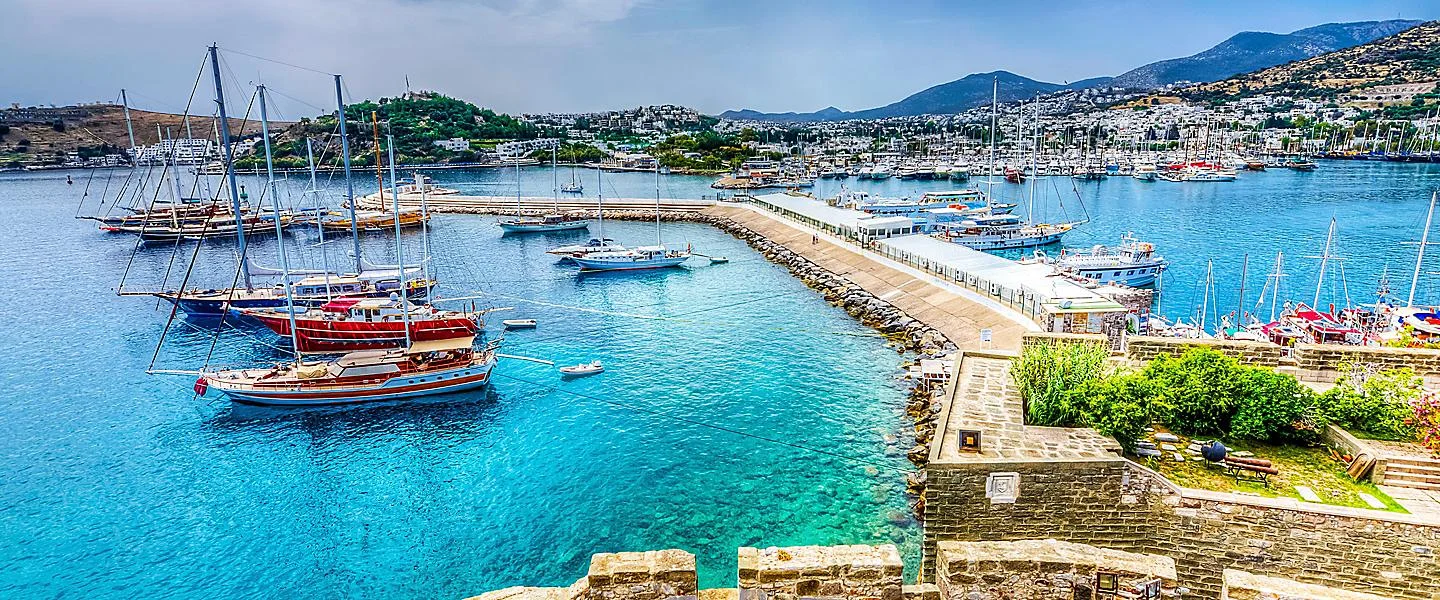
7.2 Bodrum, Turkey
Cross the border for a day in Bodrum’s bustling markets, historic sites, and vibrant waterfront. Ensure you have the necessary travel documents.
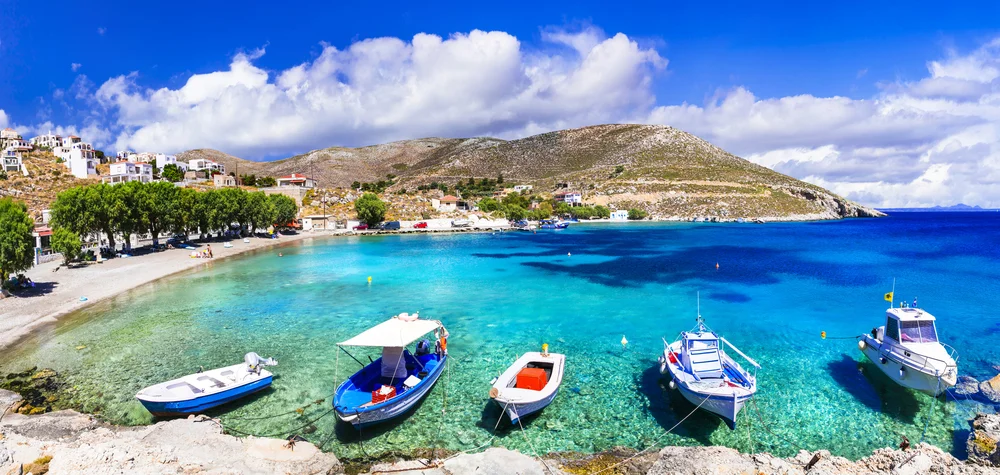
7.3 Kalymnos
Known for climbing and sponge diving, Kalymnos offers a different island vibe with authentic local culture.
8. Suggested Itineraries
8.1 3-Day Itinerary
- Day 1: Kos Town historical sites and harbor walk.
- Day 2: Asklepieion and a beach afternoon on the north coast.
- Day 3: Day trip to Nisyros or beach and sunset in Zia.
8.2 5-Day Itinerary
- Day 1: Kos Town exploration.
- Day 2: Asklepieion and Archaeological Museum.
- Day 3: North coast beach day.
- Day 4: Day trip to Bodrum or Kalymnos.
- Day 5: Southwest beaches and sunset in Zia.
8.3 7-Day Itinerary
- Day 1-2: Kos Town and Asklepieion.
- Day 3: North coast beaches and cycling.
- Day 4: Village visits and sunset in Zia.
- Day 5: Southwest beach exploration.
- Day 6: Day trip to Nisyros or Kalymnos.
- Day 7: Relaxed day revisiting favorite spots or shopping.
9. Budget and Costs in Kos 2026
Costs vary by season and preferences:
- Accommodation ranges from budget guesthouses to premium resorts.
- Car rentals and excursions add to transport costs.
- Dining can be economical or upscale depending on choice of tavernas or restaurants.
Plan your budget by prioritizing mobility and key experiences for the best value.
10. Practical Tips for a Smooth Trip
10.1 Health and Safety
- Stay hydrated and protect yourself from the sun.
- Be cautious with swimming conditions, especially on windy days.
- Drive carefully and respect local traffic rules.
10.2 Etiquette
- Greet locals and staff politely.
- Dress modestly when visiting religious sites.
- Ask permission before taking photos of people or private property.
10.3 Packing Essentials
- Reef-safe sunscreen and after-sun lotion.
- Water shoes for rocky beaches and thermal springs.
- Light layers for cooler evenings.
- Offline maps and travel apps.
11. Frequently Asked Questions (FAQ)
Is Kos suitable for families?
Yes, especially with north coast beaches and family-friendly accommodations.
Do I need a car?
Not mandatory but highly recommended for flexibility and access to remote areas.
What is the best beach?
Depends on preference: Tigaki for sand, Kefalos for scenery, Kardamena for nightlife.
Can I visit Bodrum on a day trip?
Yes, but ensure you have the correct travel documents and plan for border crossing times.
Conclusion
In 2026, Kos offers a rich, layered experience for travelers who seek more than just sun and sand. By combining cultural exploration, beach relaxation, local cuisine, and regional day trips, visitors can create a meaningful and educational journey. Plan smartly around weather, transport, and your interests to make the most of this beautiful Aegean island.